

Top 15 Employee Appreciation Ideas to Show Your Employees You Care








Employees notice when their effort goes unseen. When appreciation is rare or inconsistent, morale drops, engagement declines, and people start looking elsewhere.
Simple, thoughtful recognition can change that. The right employee appreciation ideas help employees feel valued, strengthen company culture, and improve employee engagement.
Here are 15 practical ways to show appreciation and make recognition part of everyday work.

What Is Employee Appreciation?
Employee appreciation is the practice of showing employees that their work and effort matter. It is a simple way to acknowledge hard work, support employee morale, and strengthen company culture.
In practice, employee appreciation means noticing what employees do and showing gratitude for their contribution to the team. It can be as simple as saying thank you, celebrating a work anniversary, giving small rewards like gift cards, or highlighting achievements in a recognition program.
Unlike formal employee recognition, which often focuses on specific results or milestones, appreciation focuses on the person. It values the employee as a team member, not just the outcome of their work.
Many organizations highlight appreciation during National Employee Appreciation Day, but the most effective companies build appreciation into everyday work through simple recognition ideas, peer recognition, and consistent feedback.
Why Employee Appreciation Matters
Employee appreciation supports a stronger workplace and better results. Consistent appreciation and recognition improve employees’ feelings about their work, their team members, and the company. It affects:
- Employee Engagement
Appreciation helps employees feel valued for their hard work. When recognition is consistent, employee engagement increases, and team members become more involved in projects, collaboration, and daily work. - Employee Morale
Simple appreciation efforts improve morale across the workplace. Employees who receive recognition are more motivated, more confident in their work, and more willing to support other team members. - Employee Satisfaction
Employees who feel appreciated report higher employee satisfaction. When appreciation becomes part of the employee experience, team members feel respected, supported, and more connected to their workplace. - Employee Retention
Employees are more likely to stay with companies that acknowledge their contributions. Regular employee recognition and appreciation reduce turnover and help build long-term employee retention. Also, important to note that companies with high-maturity recognition programs are 15% more likely to keep their best people. - Company Culture
Appreciation strengthens company culture by encouraging respect, recognition, and collaboration. A workplace where employees feel valued tends to have better employee experience, stronger engagement, and healthier team dynamics.
15 Employee Appreciation Ideas
Employee appreciation does not require complex programs or large budgets. Small, consistent actions often have the biggest impact on employee morale and engagement, and the overall employee experience.
The following employee appreciation ideas can help organizations improve employee satisfaction, support employee retention, and make recognition a regular part of everyday work:
1. Peer-To-Peer Recognition Messages
Peer recognition allows employees to appreciate each other’s hard work. Instead of recognition coming only from managers, team members can send quick messages that highlight effort, support, or collaboration.
Simple peer recognition messages improve employee engagement and morale because appreciation comes from the people employees work with every day. A short message in a team channel, internal platform, or company chat can make team members feel seen and valued.
Many companies include peer recognition as part of a broader employee recognition program. When appreciation becomes part of daily communication, it strengthens company culture and improves the overall employee experience.
2. Public Thank-You In Team Meetings
A public thank-you during team meetings is one of the simplest employee recognition ideas. Managers can briefly highlight an employee’s hard work, contribution to a project, or support for other team members.
Public recognition helps employees feel valued and respected in front of their peers. It also improves employee morale and encourages others to contribute and collaborate.
When appreciation becomes a regular part of meetings, it strengthens workplace culture and keeps recognition visible across the team. Small moments like these can greatly improve employee engagement over time.
3. Spot Bonuses After Major Projects
Spot bonuses reward employees immediately after major achievements or demanding projects. A small financial reward recognizes the hard work and effort that went into completing an important task.
Timely recognition helps employees feel that their contributions matter. When companies reward results soon after the work is done, appreciation feels more genuine and meaningful.
Spot bonuses can be part of a broader employee recognition program designed to support employee engagement and employee retention. In many cases, organizations also combine bonuses with gift cards or other appreciation gifts.
4. Personalized Thank-You Notes From Leadership
70% of team engagement is directly attributable to the manager. A short message from a manager or executive can acknowledge an employee’s hard work and contribution to the team.
Personal notes feel more genuine than generic recognition because they show that leadership noticed the employee’s effort. Even a brief message can improve employee morale and reinforce a culture of appreciation.
Many organizations include personal notes as part of their employee recognition program. When leaders regularly recognize employees in this way, it strengthens workplace culture and improves the overall employee experience.
5. Extra Paid Day Off
After periods of intense work or major deadlines, giving employees time to rest recognizes their hard work and commitment.
Additional time off supports employee wellness and helps improve morale. Employees return to work more focused and motivated when they have time to recover from demanding projects.
Many companies use this idea during Employee Appreciation Day or after major milestones. A simple reward like this can improve employee satisfaction and support long-term employee retention.
6. Flexible Work Hours
Flexible work hours show trust and respect for employees’ time. Allowing employees to adjust their schedules helps them balance work responsibilities with personal needs.
Flexibility improves the overall employee experience, especially in environments shaped by remote work and hybrid teams. Employees who have more control over their schedules often report higher employee satisfaction and stronger engagement.
Many companies include flexible hours as part of their employee appreciation initiatives. It supports employee wellness, improves morale, and helps build a healthier workplace culture.
7. Lifestyle Or Wellness Stipend
A lifestyle or wellness stipend provides employees with a small monthly budget for personal well-being. Many companies allow employees to use it for wellness activities.
Common uses include:
- Gym memberships
- Fitness classes
- Meditation or mindfulness apps
- Therapy or mental health sessions
- Healthy meal subscriptions
Providing this type of reward shows that the company values employees beyond their daily work. It supports employee satisfaction and improves the overall employee experience.
Lifestyle stipends are becoming common in employee appreciation initiatives because they improve morale, support engagement, and help employees maintain a healthier balance between work and personal life.
8. Learning And Development Stipend
A learning and development stipend helps employees grow their skills. Companies provide a budget employees can use for courses, certifications, workshops, or professional training.
Common ways employees use development stipends:
- Online courses and learning platforms
- Professional certifications
- Industry conferences or workshops
- Leadership and management training
- Books and educational materials
Supporting professional growth is a strong form of employee appreciation. When organizations invest in development, employees feel valued and more motivated to improve their work.
Learning opportunities also strengthen employee engagement and retention. Employees who see clear opportunities for growth are more likely to stay and contribute to a stronger workplace culture. In fact, employees who receive high-quality recognition are 45% less likely to leave their organization within two years
9. Team Breakfast Or Lunch
A team breakfast or lunch is a simple way to bring employees together and show appreciation. Sharing a meal creates space for conversation and helps team members connect outside of daily tasks.
These small gatherings improve morale and strengthen relationships between employees. They also make appreciation feel more personal and less formal than traditional recognition programs.
Many companies organize team meals during Employee Appreciation Day or after completing major projects. Moments like these support employee engagement and contribute to a positive workplace culture.
10. Company Retreat Or Countryside Team Trip
A company retreat or countryside team trip allows employees to step away from daily work and spend time together in a relaxed environment. These trips often include team activities, shared meals, and informal conversations that help strengthen relationships.
Time outside the office helps reduce stress and improve morale. Employees return with stronger connections and a renewed sense of motivation.
Retreats are often used as part of broader employee appreciation initiatives. They support employee engagement, improve the employee experience, and help build a stronger company culture.
11. Premium High-Quality Everyday Gift
A premium everyday gift is a thoughtful way to show employee appreciation. Instead of many small items, companies choose one high-quality product that employees can use regularly. Practical gifts often feel more meaningful and memorable.
These employee appreciation gifts recognize hard work and improve the employee experience. When employees use the item in daily life, the appreciation lasts longer.
Examples of premium everyday gifts:
- High-quality notebook or leather folio
- Premium insulated water bottle
- Wireless charger or phone stand
- Noise-canceling headphones
- High-end coffee mug or travel tumbler
- Ergonomic desk accessories
- Portable tech organizers
- Lightweight company swag like hoodies or jackets
12. Curated Local Food Gift Box
A curated local food gift box is a thoughtful employee appreciation gift that highlights regional products and small producers. Instead of generic items, companies can give employees a selection of high-quality foods that feel personal and authentic.
Items you can put in a curated gift box:
- Artisan chocolate or specialty sweets
- Local honey or fruit preserves
- Specialty coffee or tea
- Gourmet snacks or baked goods
- Regional cheese or cured meats
- Olive oil or specialty sauces
- Small-batch jam or spreads
Food gifts work well because they are easy to share with family or enjoy at home. They also create a memorable appreciation moment that supports employee morale and recognition.
13. Recognition Points Reward Program
A recognition points reward program allows employees to earn points for achievements, collaboration, and everyday contributions. Points can be exchanged for rewards such as gift cards, employee appreciation gifts, or other benefits.
This type of employee recognition program encourages continuous appreciation instead of occasional rewards. Employees can recognize one another through peer recognition, helping appreciation become part of daily work.
Points systems are often used by large companies because they scale easily and support consistent recognition across teams. When implemented well, they improve employee engagement, strengthen company culture, and reinforce positive contributions across the organization.
14. Home Office Upgrade Kit For Remote Staff
A home office upgrade kit helps remote employees create a more comfortable and productive workspace. Providing useful equipment shows appreciation for employees who work outside the traditional office environment.
Remote work can sometimes make recognition feel distant, so tangible appreciation helps remote employees feel included. Small upgrades to a home workspace can improve the employee experience and support daily productivity.
A simple kit might include practical items such as desk accessories, ergonomic tools, or quality tech equipment. This type of appreciation also helps maintain engagement and morale among remote employees and remote workers.
15. Employee Spotlight Feature In Company Channels
An employee spotlight highlights a team member’s work, achievements, or contributions in company channels. Organizations often share these features through internal newsletters, social media, or company updates.
Spotlights recognize hard work while giving employees visibility across the organization. They also help other team members learn about different roles, projects, and successes.
Regular spotlight features support employee recognition and strengthen workplace culture. When employees see their peers being appreciated publicly, it encourages engagement and reinforces a culture of appreciation.
Final Thoughts on Employee Appreciation Day Ideas
Employee appreciation should not happen only once a year. Employee Appreciation Day is a good reminder, but real appreciation happens through small, consistent actions throughout the year. When appreciation becomes part of everyday work, it strengthens employee engagement, morale, and long-term employee retention.
HeartCount helps companies make appreciation continuous instead of occasional. It allows employees to recognize colleagues through peer recognition and public praise, which helps build a culture where appreciation becomes part of daily communication.
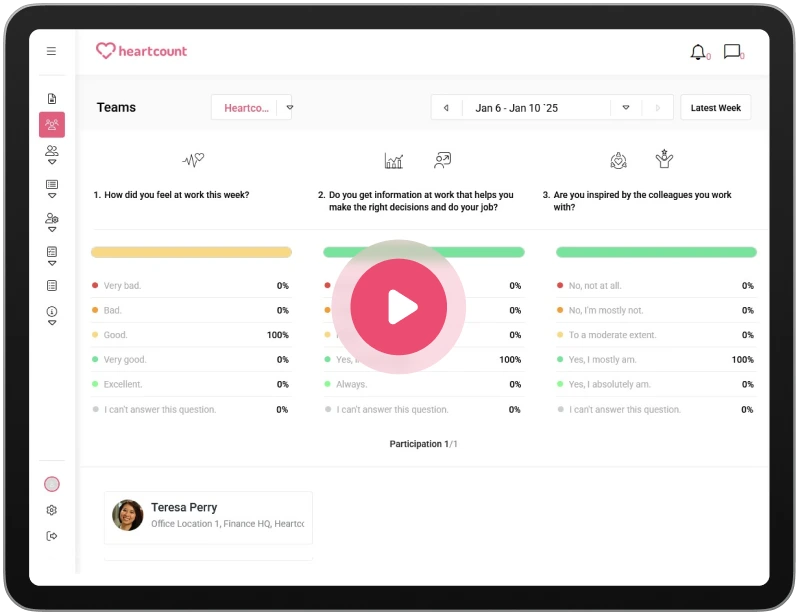
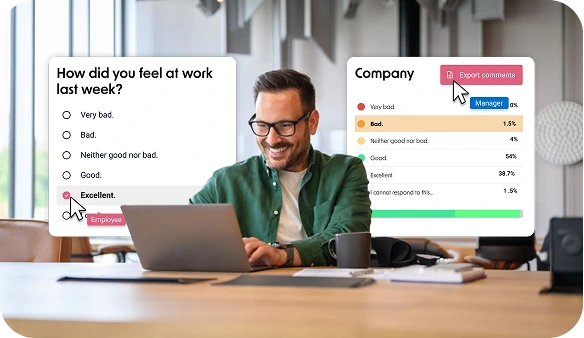
The platform also helps leaders understand how employees actually feel. Weekly pulse surveys collect real-time feedback about engagement, well-being, and recognition, allowing managers to identify issues early and respond before they affect morale or retention.
If you want to build a workplace where appreciation is consistent and measurable, book a demo and see how the platform helps teams recognize contributions, track employee engagement, and create a stronger culture of appreciation.
FAQs
What is employee appreciation?
Employee appreciation means recognizing employees for their effort, contribution, and hard work. It focuses on showing that employees are valued members of the organization.
How do companies show appreciation to employees?
Companies show employee appreciation by recognizing hard work, rewarding contributions, and creating a positive workplace culture.
Common appreciation efforts include employee recognition programs, peer recognition, public thank-you messages, small rewards such as gift cards, employee appreciation gifts, extra time off, and professional development opportunities. Many organizations also celebrate Employee Appreciation Day with team events, recognition activities, or appreciation initiatives.
What is the difference between employee recognition and appreciation?
Employee recognition rewards specific achievements, while employee appreciation shows gratitude for the employee as a person.
Both are important. Recognition rewards performance, while appreciation strengthens employee morale, engagement, and the overall employee experience.